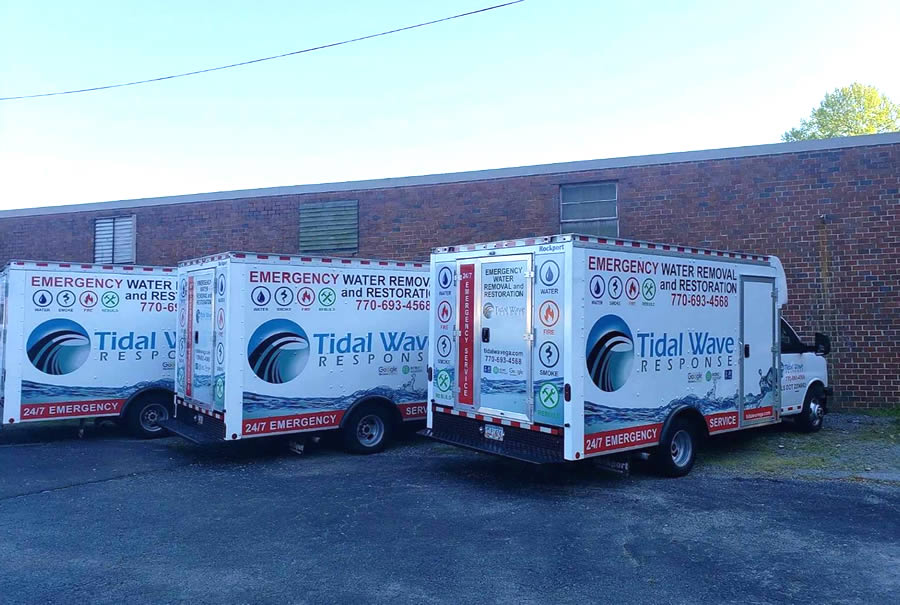
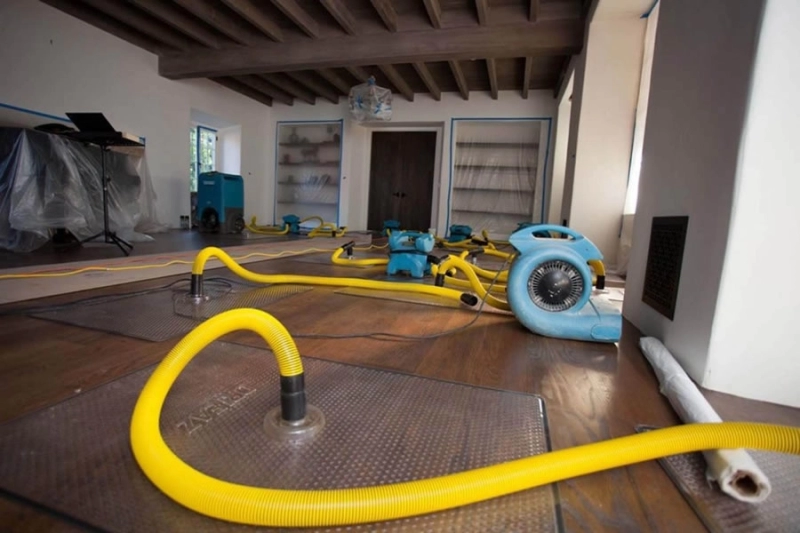
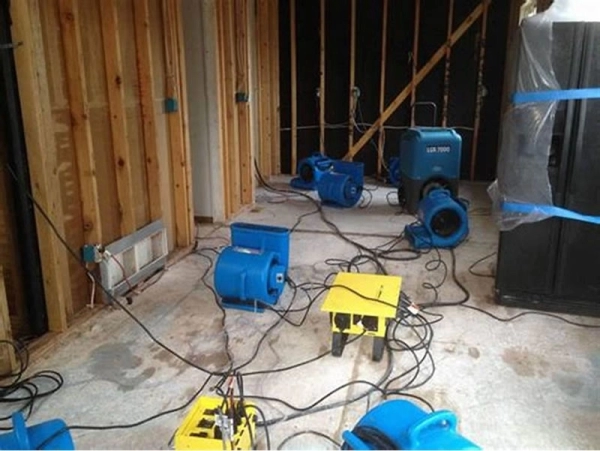
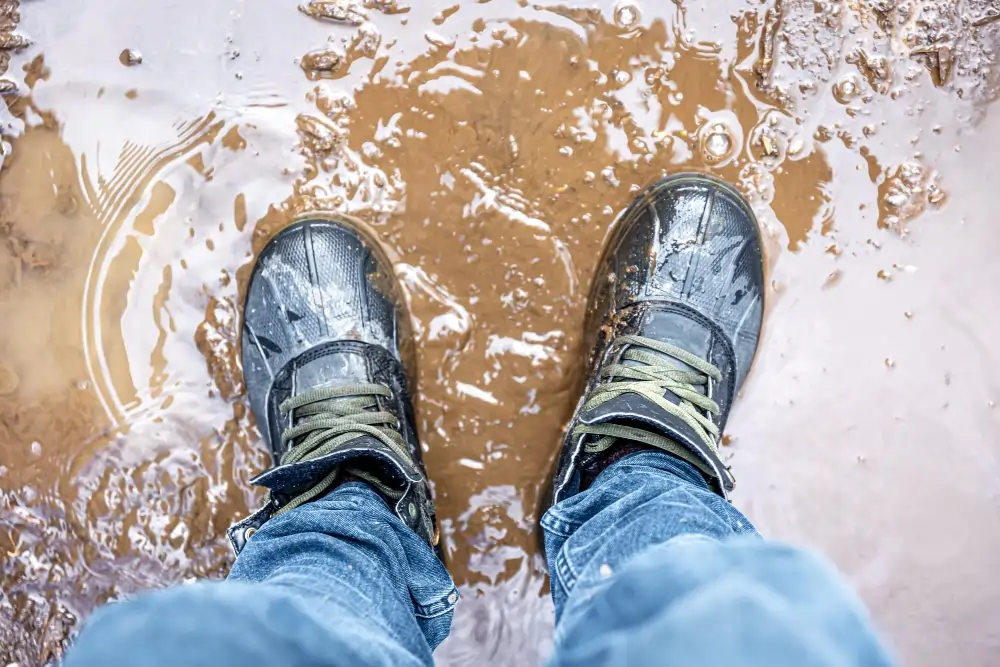
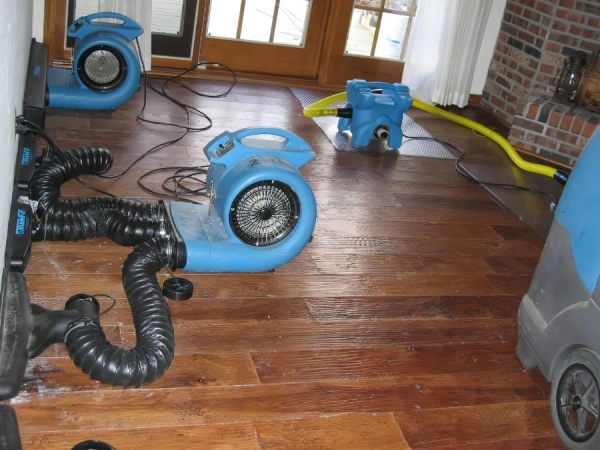
High humidity is an all too familiar environmental threat that can have lasting repercussions in our daily lives. From health concerns and structural damage to indoor air quality and indoor climate control issues — understanding its consequences and effective means for prevention/control will allow you to create an ideal living space. Tidal Wave Response looks into its implications and solutions for water damage cleanup in this article.
Health Concerns
Mold and mildew thrive in humid conditions, leading to allergic reactions and respiratory conditions in those susceptible to them, like asthmatics. High humidity is also a breeding ground for dust mite allergens like dust mites. Maintaining optimal humidity control indoors for those who require sensitive environments due to preexisting health concerns can ensure they live in healthy indoor environments.
Humidity Can Lead to Significant Structural Damage
Wood can absorb excess humidity in the air and absorb it too readily - this causes its expansion, warping, cracking, and weakening structures such as furniture floors or buildings over time - often necessitating costly repairs or replacements of wood furniture, floors, or framework. For this reason, water damage removal and restoration cleanup are key strategies against excess humidity over time!
Indoor air quality is crucial to overall well-being, yet excessive humidity is one of the leading contributors to its degradation. High humidity levels contribute to mold, mildew, and dust mite growth, emitting airborne spores that may trigger respiratory conditions or allergies in those exposed. High humidity also creates musty odors, making indoor spaces less inviting and diminishing their invitingness! To reach peak indoor air quality levels, it's vitally important to regularly perform routine water damage cleanup services and mold prevention programs, as this ensures optimal IAQ levels can only be reached.