Damage Restoration Services in Atlanta
Response Time
Can You Stay in Your Home After Water Damage? Water…
Why Waiting to Fix Water Damage Makes It Worse Water…
How Fire Damage Restoration Helps You Rebuild Faster The hours…
Moisture that sits inside walls, under subfloors, and in insulation becomes a breeding ground for mold, bacteria, and other contaminants that affect the air quality of your entire home. Tidal Wave Response provides water damage restoration services that treat the problem at the source. What looks like a cleanup job is often also a health issue, and the longer the damage is ignored, the more entrenched the risks become. Keep reading to find out what untreated water damage does to a living space and why taking action is so important.
Standing water doesn't have to sit for days to become dangerous. Within the first 24 to 48 hours, the bacteria that are already present in building materials and household dust begin to multiply rapidly in saturated conditions. Wood swells, drywall softens, and materials begin to break down, which can release organic compounds into the air.
Residual moisture is the part most homeowners miss. A wet-vac pulls visible water, but moisture absorbed into concrete, subfloor, and wall cavities stays put. Hidden saturation keeps relative humidity elevated in the surrounding area, which creates the warm, damp environment where biological growth accelerates fastest.
The health effects start before you see any visible damage. Exposure to elevated indoor humidity and early-stage bacterial contamination can trigger respiratory irritation, headaches, and worsening allergy symptoms. Children and people with asthma or compromised immune systems experience these effects sooner and more severely.
Mold spores exist in virtually every indoor environment at low levels. They become a problem when moisture gives them a surface to colonize. After water damage, mold can begin to establish visible growth within 24 to 72 hours under the right conditions.
Once mold takes hold, it spreads through spore dispersion. Disturbing a mold colony by scrubbing or applying bleach without containment releases spores into the air and carries them to new areas of the home through HVAC systems, foot traffic, and airflow. A localized problem in one bathroom can establish secondary growth in a hallway or bedroom within days.
Professional water damage restoration identifies the full extent of moisture infiltration, establishes containment, and removes compromised materials before mold can spread beyond the original zone. Skipping the process doesn't save money. It relocates the problem and makes remediation more expensive later.

Mold exposure produces a range of symptoms that most people attribute to seasonal allergies or a cold that won't go away. The main difference is persistence. Symptoms tied to indoor mold exposure continue or worsen while a person is home and improve when they leave for extended periods. Common symptoms include:
Certain mold species, including black mold, produce mycotoxins. Prolonged exposure to mycotoxins has been linked to more serious neurological symptoms, including memory problems and heightened sensitivity to light and sound. The people most at risk are infants, elderly individuals, and anyone already managing a chronic respiratory condition.
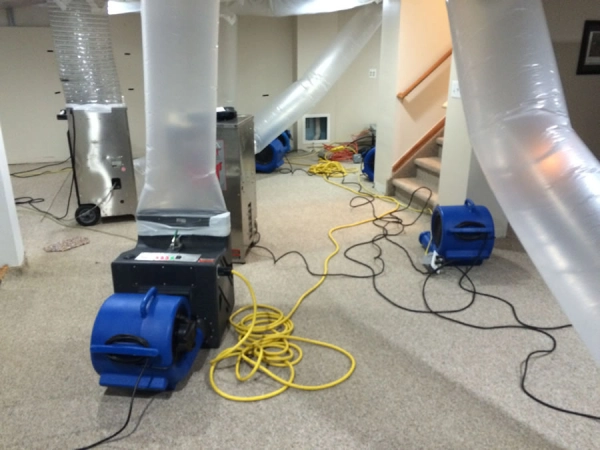
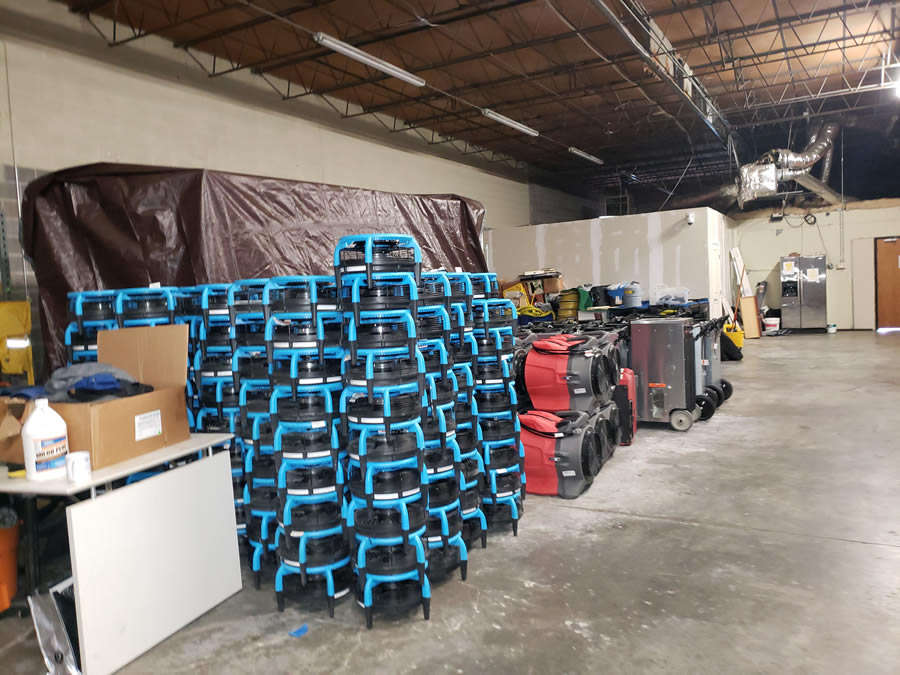
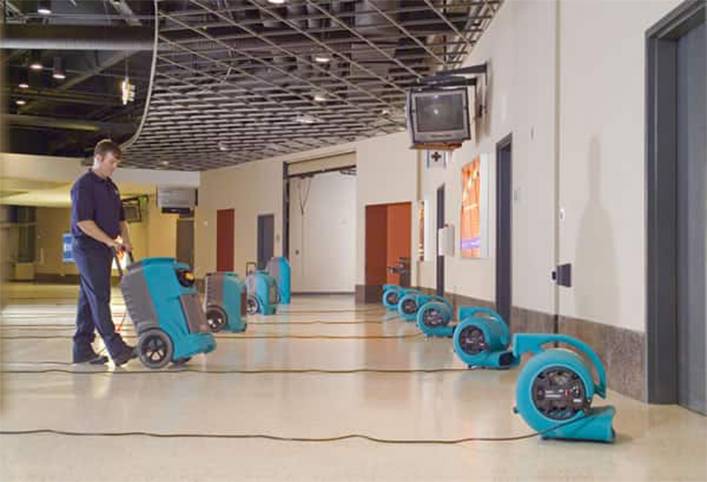
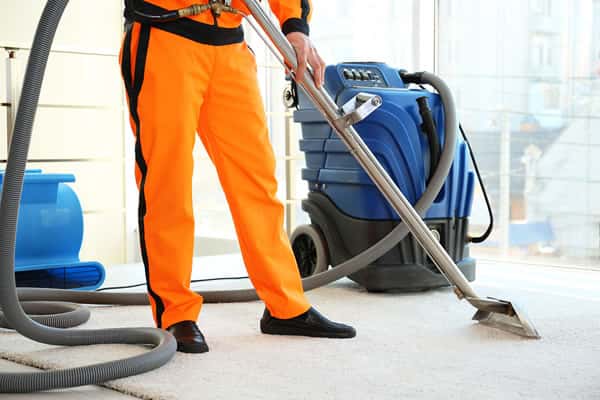
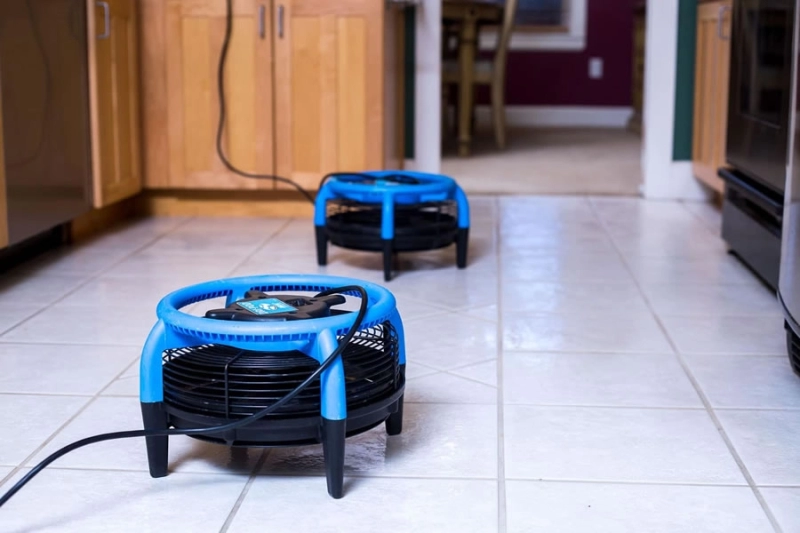
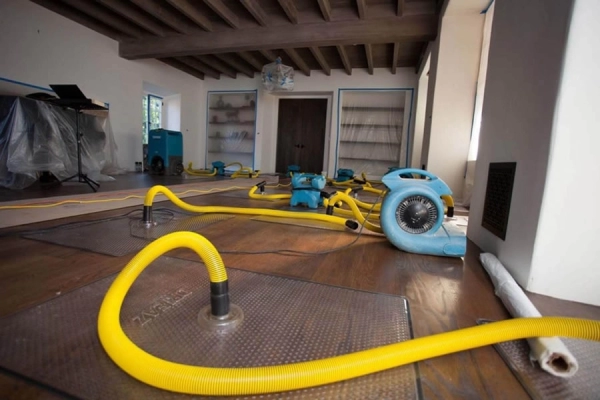
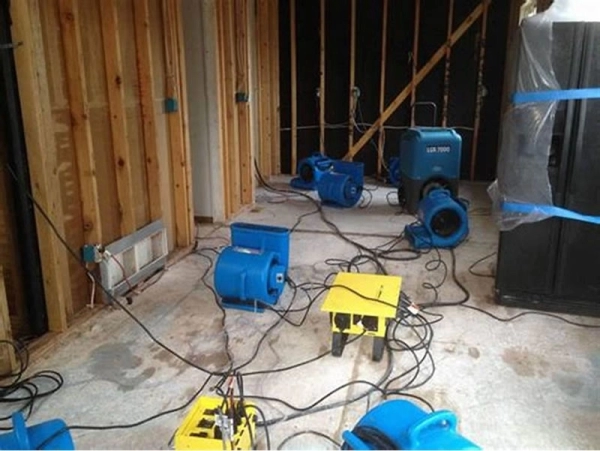
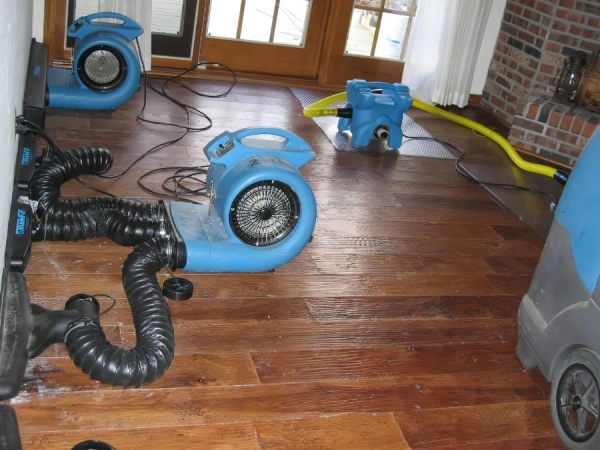
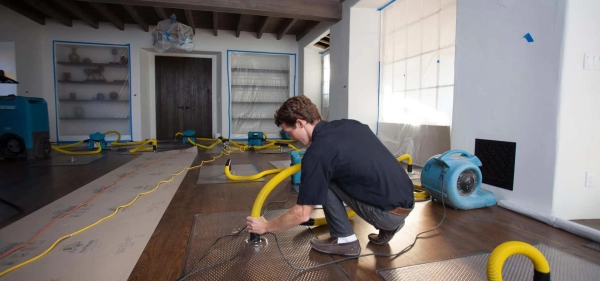
A shop vac removes surface water. A box fan increases airflow in one direction. Neither one measures moisture content in building materials, identifies the full perimeter of water migration, or treats contaminated surfaces. Professional water removal uses industrial-grade equipment and a documented process that consumer tools can't replicate. The equipment used in professional water removal includes:
Professional water damage restoration in Johns Creek also includes moisture mapping, which documents where water traveled and tracks drying progress. Documentation is important for insurance claims and proves that drying meets industry standards. It helps protect you from liability if mold appears later and a claim is disputed.
Every hour between the water event and professional intervention increases the scope of damage. Porous materials absorb moisture continuously until saturation, and once drywall, insulation, or wood framing reaches that threshold, the material requires removal rather than drying. What might have been a drying job in the first few hours becomes a full demolition and rebuild after 48 to 72 hours of delay.
Insurance timelines add more urgency. Most property insurance policies require that you take reasonable steps to mitigate damage after a loss event. Documenting the damage and contacting a restoration company quickly demonstrates that obligation. Waiting too long can give an adjuster grounds to deny or reduce your claim on the basis of failure to mitigate.
Mold doesn't wait for the adjuster's inspection or the contractor's earliest available slot. Getting professional water removal started within the first 24 hours gives technicians the best conditions for a full dry-out and eliminates the conditions mold needs to establish.
If your home has experienced water damage, call Tidal Wave Response before the problem gets worse. Our team provides professional water damage restoration and water removal services with fast response times and industry-certified drying methods. We document the full scope of damage, work with your insurance company, and won't consider the job complete until moisture readings confirm your structure is dry. Our team has the equipment and training needed to protect your home and the people living in it. Call us now to get a team on-site.