Professional Water & Fire

Damage Restoration Services in Atlanta

15-25 Minute

Response Time

Can You Stay in Your Home After Water Damage?

Recent Posts

Why Waiting to Fix Water Damage Makes It Worse

Why Waiting to Fix Water Damage Makes It Worse Water…

image
April 26,2026
How Fire Damage Restoration Helps You Rebuild Faster

How Fire Damage Restoration Helps You Rebuild Faster The hours…

image
April 18,2026
How Restoration Experts Repair Fire-Damaged Structures

How Restoration Experts Repair Fire-Damaged Structures Fire damage goes a…

image
April 13,2026
Can You Stay in Your Home After Water Damage?
May 02,2026

Can You Stay in Your Home After Water Damage?

Water damage throws a household into immediate chaos. One of the first questions people ask once the initial shock wears off is if they can stay put while repairs happen. The answer depends on many different factors, but making the wrong call can create health and safety risks. Knowing whether it's safe to stay in your home after water damage requires looking at the extent of the damage, what kind of water caused it, and how quickly remediation is moving. Tidal Wave Response has helped families make this decision under some very difficult circumstances. We're here to walk you through what to consider. Keep reading before you assume either way.

Why the Category of Water Damage Affects Whether Your Home Is Habitable

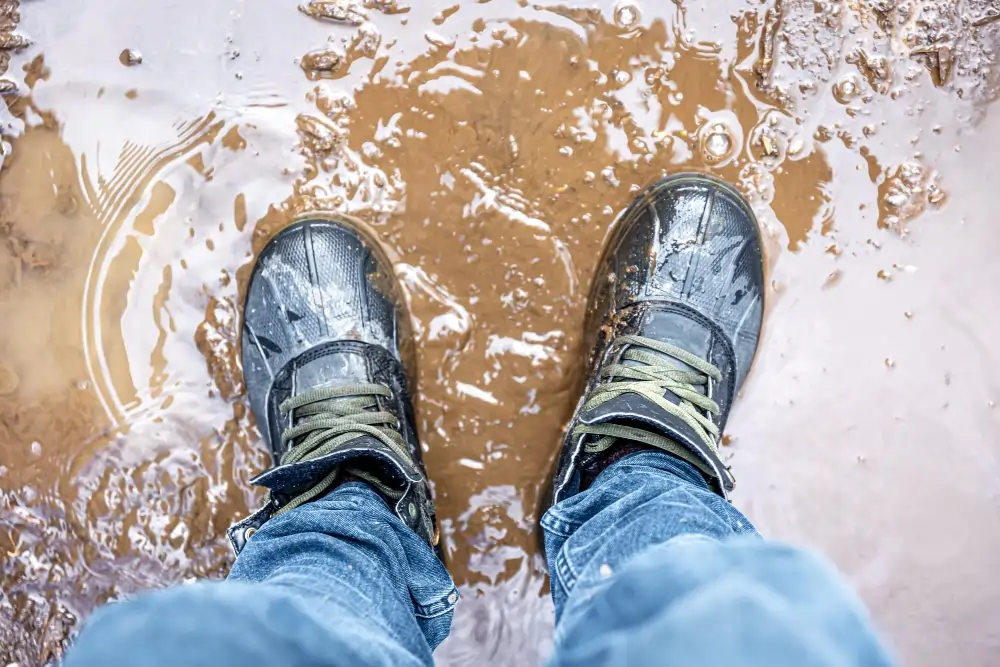
Not all water damage comes with the same risks, and the source matters as much as the volume. Restoration professionals classify water damage into three categories. Category 1 is clean water from a supply line break or appliance failure. Category 2 is gray water from sources like a washing machine overflow or dishwasher leak, which contains some contaminants. Category 3 is black water from sewage backups, or floodwater that carries bacteria, pathogens, and waste.

Category 1 damage in a single contained area, like a burst pipe under a bathroom sink, may allow you to stay in most of the house while water damage restoration proceeds. Category 2 and Category 3 situations are different. Exposure to gray or black water contaminants without full protective equipment poses health risks, particularly for children, elderly family members, or someone with a compromised immune system. The affected spaces need to be blocked off immediately. Here's what to do based on water category before a professional arrives:

  • Category 1: Shut off the water and limit foot traffic in wet areas.
  • Category 2: Avoid contact with the water and keep children and pets out of affected rooms.
  • Category 3: Evacuate the affected area completely and do not attempt a cleanup without professional guidance.

Structural Issues That Make Staying in Place Unsafe

Water moves into places you can't see and saturates subfloor material, wicks up wall framing, and pools inside wall cavities. When load-bearing components absorb enough water, they can soften, warp, or crack. A ceiling that has held standing water for hours may not sag yet, but the structural integrity has already been compromised. Walk through the affected area and look for these signs before deciding to stay:

  • Floors that flex, dip, or feel spongy
  • Visible buckling or separation in hardwood or laminate flooring
  • Ceiling discoloration, bulging, or a visible droop
  • Cracks in drywall that weren't there before
  • Doors or windows that no longer open and close correctly

If you notice any of those conditions, that part of the house is not safe to occupy until a professional has checked the framing and substructure. A restoration contractor performing water removal will also check these areas as part of the initial inspection, so don't delay that call waiting for conditions to worsen.

What Mold Risk Looks Like in the First 24 to 48 Hours

Under the right conditions, mold colonies can begin establishing within 24 to 48 hours of a water crisis. You won't see visible growth that fast, but spores are already present in most indoor environments and only need a little moisture to activate. That's why the timeline of water removal matters so much.

If remediation equipment isn't running within the first day or two, the risk of mold contamination rises dramatically. Mold inside wall cavities is problematic because it can spread for weeks before it becomes visible on surfaces. Once you finally see discoloration on drywall or smell a musty odor, the colony is already established, and remediation becomes much more involved.

You can stay in unaffected parts of the house during this window, but keep HVAC systems off or set to circulate outside air only. Running a forced-air system through a water-damaged home can pull spores through ductwork and distribute them to rooms that haven't been touched by water. Coordinate with your water damage restoration team before adjusting climate control systems.

How the Speed of Professional Remediation Affects Your Living Situation

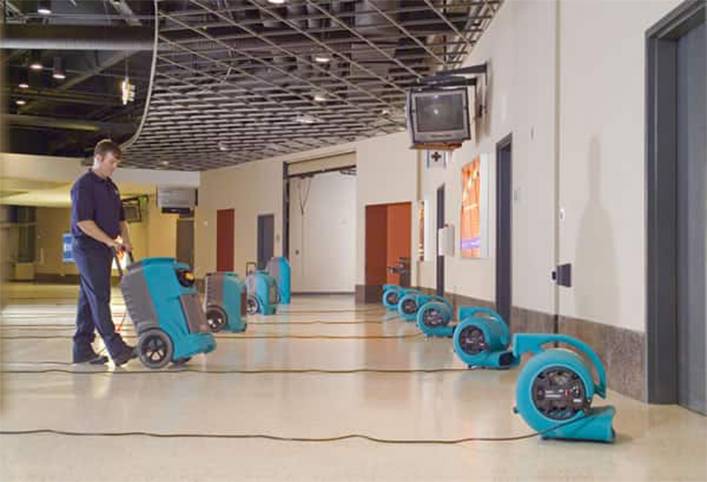
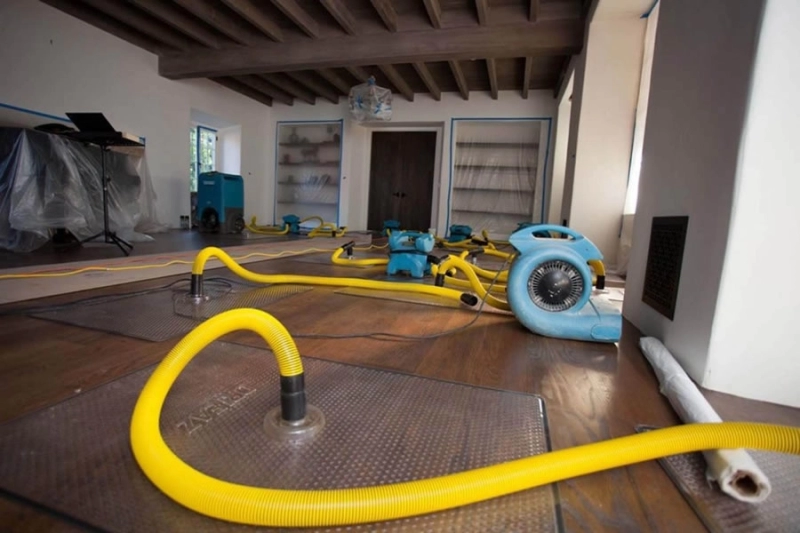
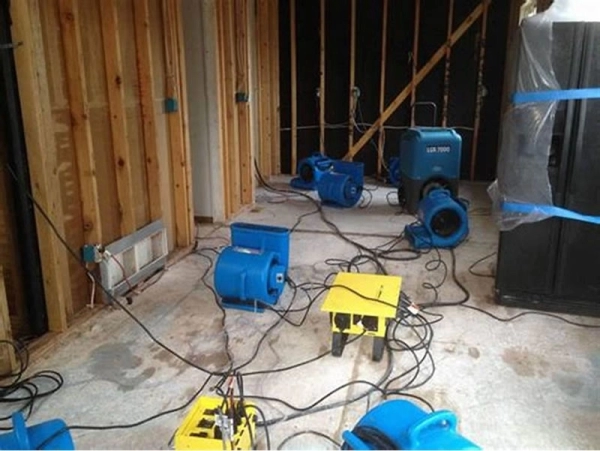
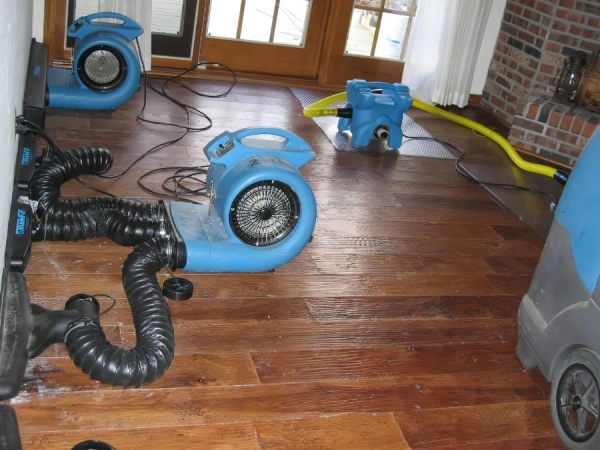
The faster water removal begins, the more of the house stays livable. A professional crew arriving within the first few hours can extract standing water, deploy industrial drying equipment, and establish containment barriers between damaged and undamaged areas.

When remediation is delayed, secondary damage spreads. What started as a contained area expands as moisture migrates through building materials. Drywall that might have been saved with fast water removal gets cut and replaced. Flooring that was borderline becomes unsalvageable. The more of the house that falls into the damage zone, the harder it is to keep rooms safe to occupy. Here's a general timeline to help with habitability decisions:

  • 0 to 6 Hours: Water removal begins, containment is established, and most of the home remains accessible.
  • 6 to 24 Hours: Moisture migration accelerates; structural materials begin absorbing water more deeply.
  • 24 to 48 Hours: Mold risk increases, secondary damage spreads, and displacement becomes more likely.
  • Beyond 48 Hours: Full-scale remediation and possible displacement for extended periods.

Are You Dealing with Serious Water Damage?

Staying in your home after water damage is possible in some situations, but only if the right conditions are present. If any of those factors are missing, the safer decision is temporary displacement while professionals work. Don't wait to find out which situation you're in. Every hour matters when it comes to water damage restoration, and a professional inspection gives you the information you need to make a sound decision for your household. Tidal Wave Response provides rapid water removal and full water damage restoration services to get your home stabilized as fast as possible. Call us now to get a crew out and protect what you've built.