Professional Water & Fire

Damage Restoration Services in Atlanta

15-25 Minute

Response Time

Why Waiting to Fix Water Damage Makes It Worse

Recent Posts

How Fire Damage Restoration Helps You Rebuild Faster

How Fire Damage Restoration Helps You Rebuild Faster The hours…

image
April 18,2026
How Restoration Experts Repair Fire-Damaged Structures

How Restoration Experts Repair Fire-Damaged Structures Fire damage goes a…

image
April 13,2026
How Water Damage Can Destroy Your Home’s Structure

How Water Damage Can Destroy Your Home’s Structure A leak…

image
April 05,2026
Why Waiting to Fix Water Damage Makes It Worse
April 26,2026

Why Waiting to Fix Water Damage Makes It Worse

Water damage has a timeline, and every hour that passes without a response adds more complexity to the repairs. Tidal Wave Response offers water damage jobs at every stage of severity, and the calls that come in late are usually the most involved and most expensive to resolve. What starts as saturated drywall and wet flooring can move into mold growth, structural deterioration, and compromised air quality within days if the right steps aren't taken quickly. Keep reading to find out exactly what happens inside a water-damaged home when the clock keeps running, and nothing gets done.

What Happens in the First 24 to 72 Hours

Water moves fast and seeps into porous materials. It travels along subfloor seams and saturates wall cavities. Within the first few hours, drywall absorbs moisture and starts to swell. Wood flooring warps, then personal items, insulation, and structural materials all start pulling in water at different rates.

At hour 24, mold spores already present in the home have the moisture they need to activate. The EPA identifies 24 to 48 hours as the window in which mold colonization begins under wet conditions. Furniture finishes blister and separate, then the metal surfaces start to corrode. Electronics that were near the water source become increasingly unsafe or fail to turn on.

The 48 to 72-hour mark is when secondary damage starts to compound. Wet insulation loses its R-value and holds moisture against the wall framing. Subfloor panels swell and separate at the joints. The longer the water sits, the harder it becomes to extract without removing the materials it has saturated. Water removal within the first 24 hours reduces total restoration costs and shortens the repair timeline.

How Mold Growth Starts and When It Becomes a Health Concern

Mold needs a porous surface, a temperature between 40 and 100 degrees Fahrenheit, and moisture. A water-damaged home provides all three. Mold colonies will establish and begin producing spores within 24 to 48 hours of exposure. By day three or four, visible growth may already be present behind baseboards, inside wall cavities, or beneath flooring.

The health implications increase as the colony grows. Mold spores circulate through HVAC systems and spread to unaffected areas of the home. Residents with asthma, allergies, or respiratory conditions experience symptoms first, but prolonged exposure affects anyone in the living space. Certain mold species also produce mycotoxins that cause headaches, fatigue, or respiratory irritation.

Contaminated materials need to be removed and disposed of. Affected areas require treatment with antimicrobial agents and clearance testing before reoccupation. A water damage restoration job that starts within hours of an incident may cost a fraction of what the same job costs after mold has colonized the structure.

What Saturated Building Materials Do to the Structural Integrity of a Home

Wood is the skeleton of most residential construction, and it's vulnerable to prolonged moisture exposure. When framing lumber absorbs water, it swells and loses compressive strength. Subfloor panels delaminate, and floor joists that stay wet long enough begin to develop rot. This breaks down the cellular structure of the wood and compromises load-bearing capacity. Structural rot requires full member replacement, not just drying.

Drywall behaves differently but fails just as decisively. It absorbs water rapidly and loses structural cohesion. Wet drywall can't support its own weight once the paper facing and gypsum core are saturated. It crumbles. Nail and screw connections pull through the softened material. In most cases, saturated drywall panels must be removed entirely and replaced rather than dried in place.

Concrete and masonry absorb water more slowly, but prolonged exposure causes efflorescence, spalling, and in freeze-thaw climates, cracking. Foundation walls that stay wet long enough allow water intrusion into the basement or crawlspace through hairline cracks that widen with repeated moisture cycles. Professional water removal stops this process before it reaches the foundation level.

How Delayed Response Affects the Cost and Scope of Professional Restoration

A contained water incident that's caught within hours might require extraction, industrial drying equipment, and monitoring for two to three days. If the same incident is left for a week, it can require mold remediation, drywall removal across multiple rooms, subfloor replacement, and HVAC cleaning.

Insurance carriers document response time, too. Most homeowner policies include language requiring the insured to take reasonable steps to mitigate damage after an emergency. Waiting to file a claim or delaying extraction can give an adjuster grounds to reduce or deny coverage for secondary damage. The water damage restoration industry standard is to begin mitigation immediately, and documentation of the response supports a stronger claim.

Labor, materials, and disposal costs all scale with the volume of affected material. Replacing one sheet of drywall costs a lot less than gutting and rebuilding a wall assembly that includes framing, insulation, a vapor barrier, and drywall. Fixing the problem early keeps the project manageable. Every additional day of inaction expands what needs to be replaced.

What Immediate Steps Homeowners Can Take While Waiting for a Restoration Team

Getting a restoration crew on-site quickly is the priority, but there are steps homeowners can take in the meantime to slow additional damage:

  • Shut off the water source if the incident came from a plumbing failure.
  • Turn off the electricity to affected areas at the breaker before entering rooms with standing water.
  • Move furniture, rugs, and personal items out of saturated zones to dry areas.
  • Open windows and run fans to increase airflow, but don't run the HVAC if ductwork may be contaminated.
  • Document everything with photos and video before touching or moving anything.

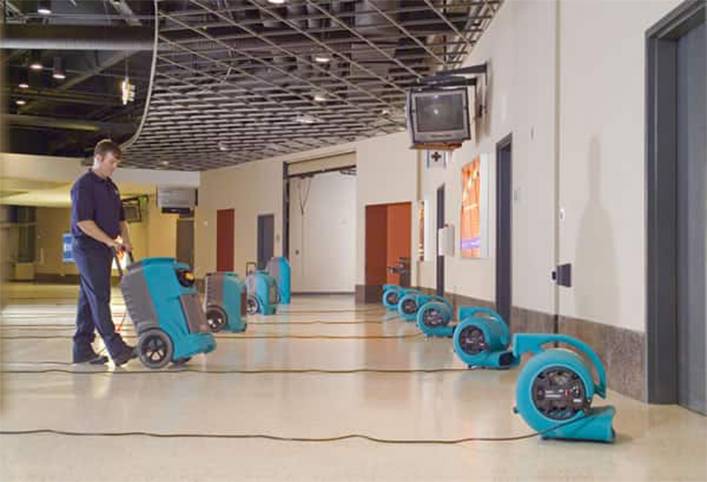
Don't attempt to use a shop vac on large volumes of standing water. Residential equipment can't match the extraction capacity of professional water removal tools. Working in a wet environment without confirming electrical safety also creates a serious hazard.

Do You Need Professional Restoration?

Waiting gives time for the water damage to spread. Call Tidal Wave Response as soon as you discover water in your home. Our team deploys quickly, documents everything for your insurance claim, and uses professional-grade equipment. We provide water damage restoration at every scale, and we're ready to respond.