Professional Water & Fire

Damage Restoration Services in Atlanta

15-25 Minute

Response Time

How Fire Damage Restoration Helps You Rebuild Faster

Recent Posts

How Restoration Experts Repair Fire-Damaged Structures

How Restoration Experts Repair Fire-Damaged Structures Fire damage goes a…

image
April 13,2026
How Water Damage Can Destroy Your Home’s Structure

How Water Damage Can Destroy Your Home’s Structure A leak…

image
April 05,2026
How Soon Should Fire Damage Restoration Begin After a Fire?

How Soon Should Fire Damage Restoration Begin After a Fire?…

image
March 30,2026
How Fire Damage Restoration Helps You Rebuild Faster
April 18,2026

How Fire Damage Restoration Helps You Rebuild Faster

The hours and days after a house fire are disorienting, and it makes clear decision-making difficult. Knowing what to do first, who to call, and how the cleanup process works can take a lot of pressure off a stressful situation. Tidal Wave Response is here to help. We understand that the difference between a smooth recovery and a prolonged one usually comes down to how quickly professional mitigation gets underway. Knowing what fire damage restoration involves helps you move forward with more clarity and less confusion. Keep reading for a clear picture of what happens after the fire trucks leave and how the right team helps stabilize your home.

What Fire Damage Restoration Covers

Most homeowners focus only on the charred walls and burned materials that they can see. The actual scope of the damage usually goes much further. Fire and heat affect materials throughout the home, even in areas without visible burn marks. Heat can warp surfaces, weaken materials, and cause finishes to fail.

Fire damage restoration in Alpharetta focuses on identifying all of the affected areas, removing damaged materials when needed, and preparing the space for proper cleanup and drying. Restoration professionals will inspect the surfaces for heat and smoke impact, locate areas that need cleaning or removal, and document everything for insurance purposes.

Ignoring hidden damage can lead to ongoing issues like odor, staining, or contamination. A thorough assessment at the start helps prevent repeat work and keeps the cleanup process moving in the right direction.

How Smoke and Soot Damage Affects Parts of a Home That Did Not Burn

Smoke travels fast and penetrates deep. Within hours of a fire, smoke residue can coat surfaces in rooms far away from the source. It moves through HVAC systems, settles into insulation, and embeds in porous materials like wood, drywall, and upholstery. The odor alone can make a home difficult to live in long after the fire is out.

Soot is corrosive. When it's left on metal, it causes rust. If left on walls and ceilings, it can stain and damage finishes. Restoration crews use specialized tools and cleaning methods to remove soot and treat smoke odor at the source instead of just covering it up. The right approach depends on the type of surface and the kind of residue present.

HVAC systems also need attention after a fire. Smoke can spread through ductwork and reintroduce contaminants into cleaned areas if the system runs again too soon. Taking care of this early helps avoid delays and repeat cleaning.

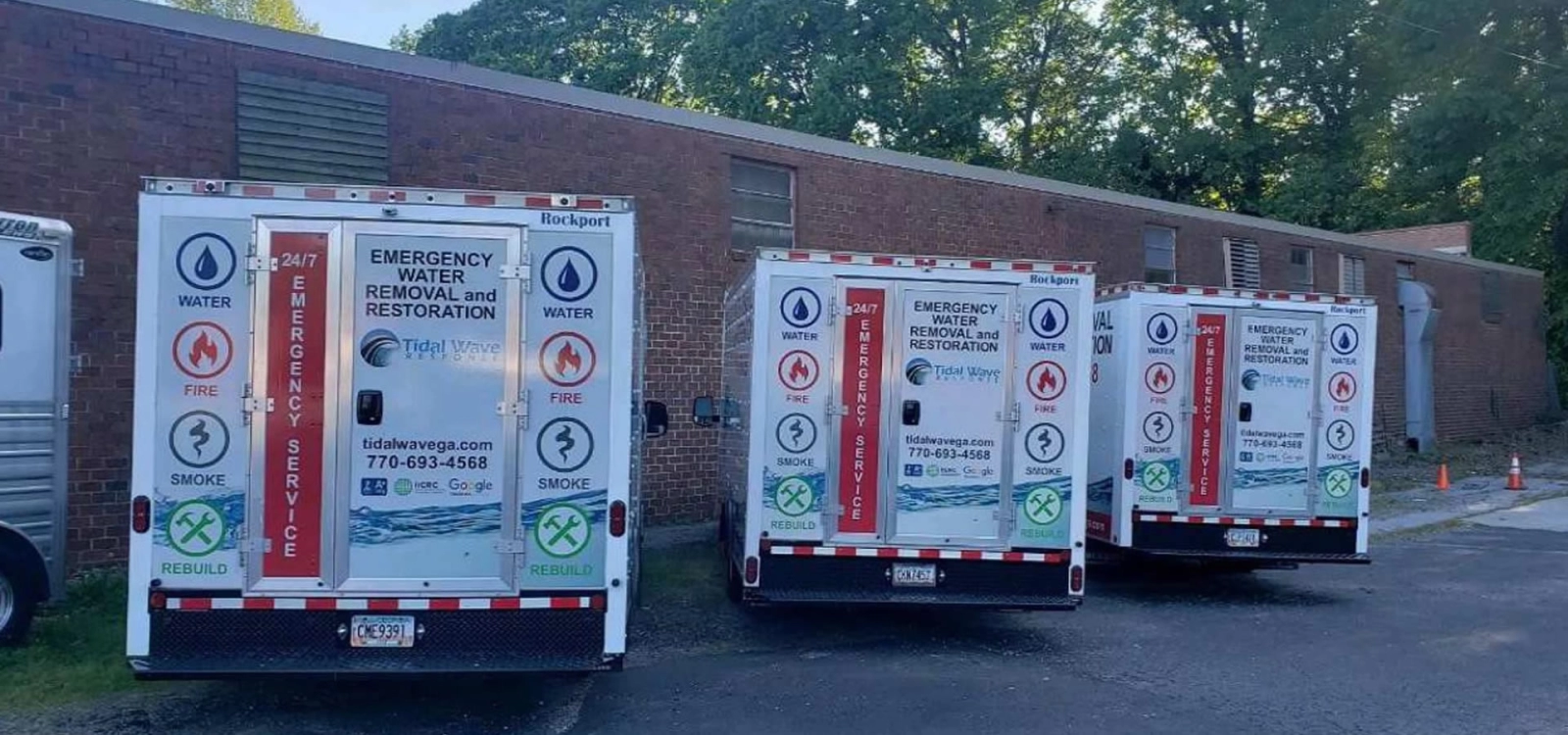
The First Steps a Professional Restoration Team Takes After a Fire

Speed matters from the first hour. Restoration professionals begin with a safety check to determine whether it is safe to enter the property. From there, they secure the home by boarding windows, placing tarps over the exposed areas, and limiting further damage from the weather or outside access.

The next step is documentation. Crews photograph and record all visible damage before moving or removing materials. This documentation supports your insurance claim and helps establish a clear scope for cleanup and mitigation work.

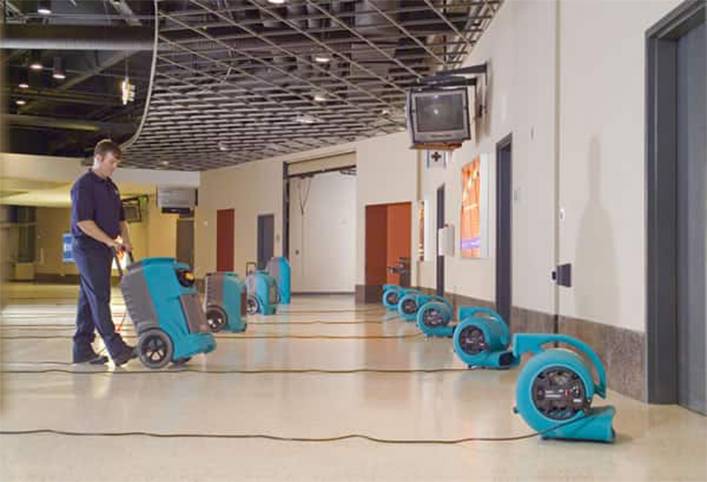
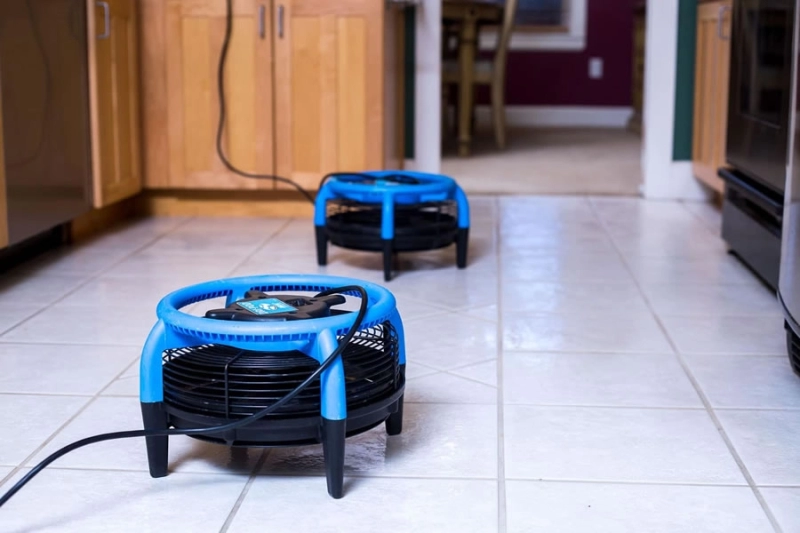
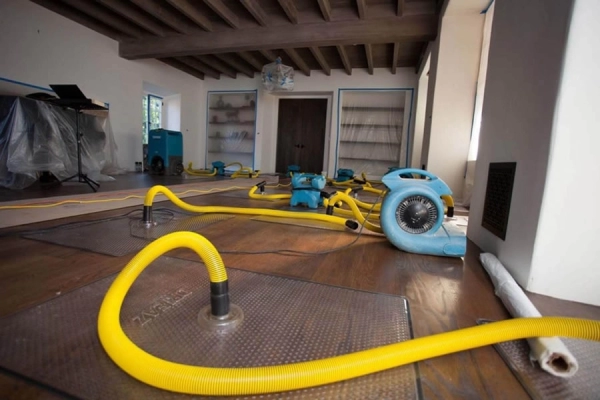
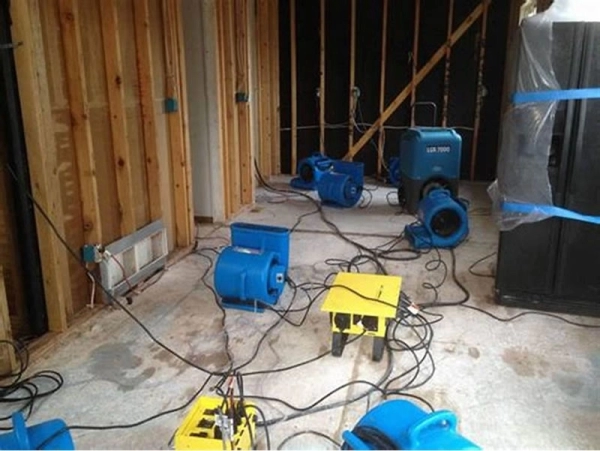
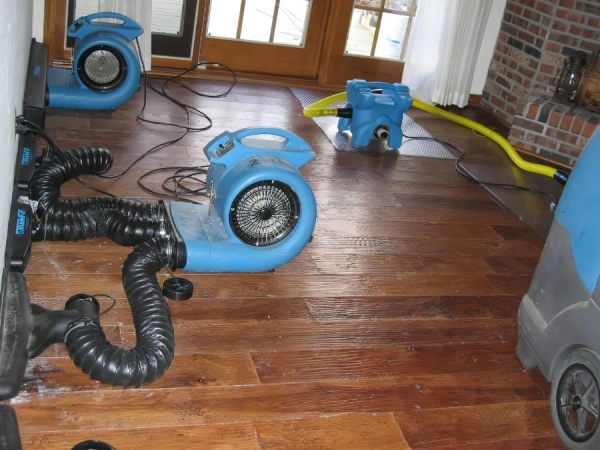
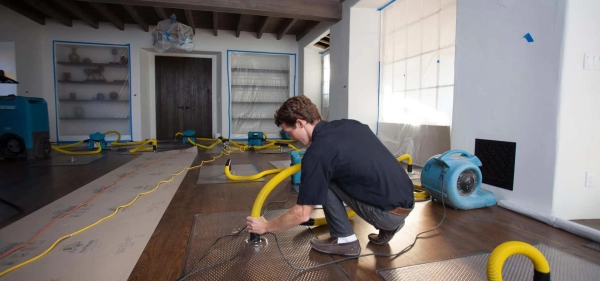
Water extraction usually follows if firefighting efforts left a lot of moisture behind. This is common and needs to be handled very quickly. Wet materials will break down fast, and mold can begin forming within 24 to 48 hours. Drying equipment is set up early to stabilize the environment and prevent further damage.

How to Work With Your Insurance Company During a Fire Restoration Claim

Call your insurance company as soon as possible after the fire. Waiting can slow the claim process and affect coverage for emergency services like board up or water removal. Most policies include these services, but you need to initiate the claim.

Keep a written record of every conversation with your adjuster. Note the date, who you spoke with, and what was discussed. When the adjuster visits the property, having a restoration professional present can help make sure the full extent of smoke, soot, and water damage is properly documented.

Your insurer will provide a scope of work and an estimate. Review it carefully. Make sure it accounts for smoke damage beyond the main fire area, odor treatment, and cleaning of affected systems. If something is missing, use your restoration team’s documentation to support corrections.

What Homeowners Can Do to Support a Faster Cleanup Process

Your actions in the first 24 hours can affect how quickly the cleanup moves forward. Avoid trying to clean soot or smoke residue yourself. It can push contaminants deeper into surfaces and make professional cleaning more difficult.

Retrieve important items like documents and medications once the property is cleared for entry and limit foot traffic through affected areas. This helps preserve the condition of the site for proper documentation and cleanup.

Communicate clearly with your restoration team about your situation and priorities. If you are staying somewhere else temporarily, let them know what matters most. Clear communication helps them plan the cleanup in a way that supports your timeline.

Start the Recovery Process With the Right Team

Fire damage doesn't stop when the flames are out. The sooner professional restoration begins, the more effectively damage can be contained and cleaned. Delays can lead to deeper contamination, stronger odors, and higher costs. Tidal Wave Response provides the equipment, experience, and support needed to handle fire and smoke damage cleanup. From initial assessment through mitigation and cleaning, our team works to stabilize your home and prepare it for the next steps in the recovery process. Call today to get a professional on-site and begin moving forward.