Professional Water & Fire

Damage Restoration Services in Atlanta

15-25 Minute

Response Time

Mold Removal vs Water Damage Restoration

Recent Posts

Health Risks of Untreated Water Damage

Health Risks of Untreated Water Damage Moisture that sits inside…

image
May 08,2026
Can You Stay in Your Home After Water Damage?

Can You Stay in Your Home After Water Damage? Water…

image
May 02,2026
Why Waiting to Fix Water Damage Makes It Worse

Why Waiting to Fix Water Damage Makes It Worse Water…

image
April 26,2026
Mold Removal vs Water Damage Restoration
May 14,2026

Mold Removal vs Water Damage Restoration

Mold removal and water damage restoration are used interchangeably in conversation, even though they focus on different problems with distinct methods, equipment, and goals. Tidal Wave Response handles both, and knowing which service your situation calls for affects everything. Keep reading to see where the two services overlap, where they diverge, and how to tell which one your property needs based on what's happening on site.

What Each Service Is Specifically Designed For

Water damage restoration focuses on reversing the physical damage that water causes to a structure. That includes extracting standing water, drying out saturated building materials, and returning the property to a stable, dry condition. The work is time-sensitive. The longer water sits in walls, floors, or ceilings, the more structural deterioration occurs and the more expensive the repair becomes.

Mold remediation is a biological problem. Technicians locate mold colonies, contain the affected area to prevent spore spread, remove contaminated materials, and treat surfaces with antimicrobial agents. The goal is to bring mold levels back down to a normal, non-threatening concentration. A post-remediation verification test confirms that the work meets clearance standards before containment comes down.

The two services share a cause-and-effect relationship. Water damage creates the conditions that mold exploits. Mold remediation takes care of what grows when those conditions go unresolved. Treating one without understanding the other leads to incomplete results and repeated problems.

How Water Damage Creates the Conditions Mold Needs to Grow

Mold requires three things to colonize a surface. That includes moisture, an organic food source, and temperatures between roughly 40 and 100 degrees Fahrenheit. Most building materials, including drywall, wood framing, and insulation, supply the organic material. Indoor temperatures supply the warmth. Water damage supplies the moisture.

Mold can begin colonizing a damp surface within 24 to 48 hours of exposure. A slow pipe leak inside a wall can saturate framing for weeks before anyone notices visible signs. By then, mold has already established itself in areas that won't be visible during a basic walkthrough.

This is why water removal is a critical first step. Pulling moisture out of the structure before mold takes hold is far less expensive and disruptive than scheduling a full remediation later. The faster the drying phase completes, the narrower the window for biological growth.

The Equipment Used for Drying Versus Mold Remediation

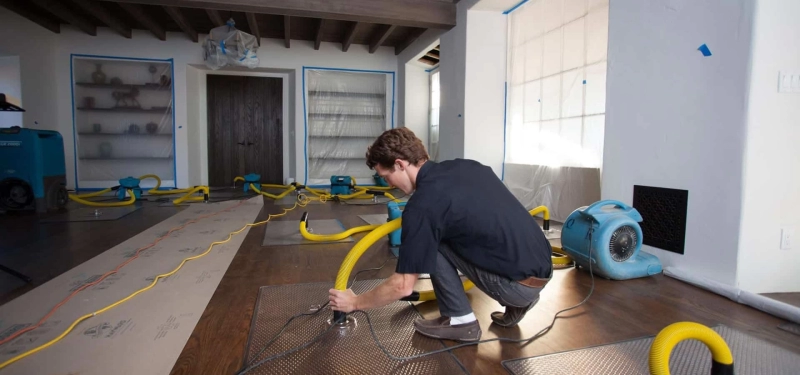
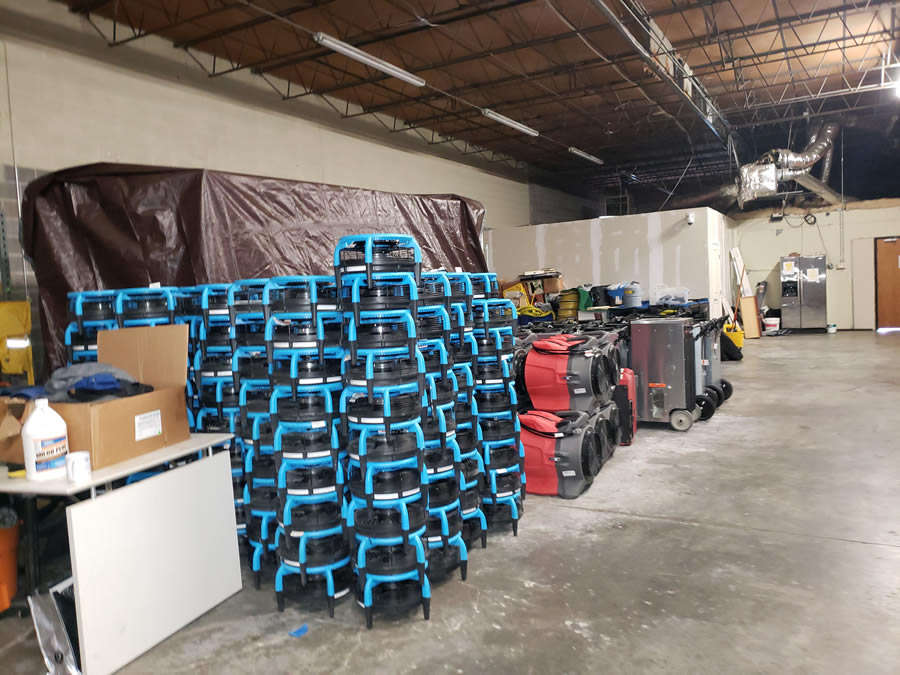
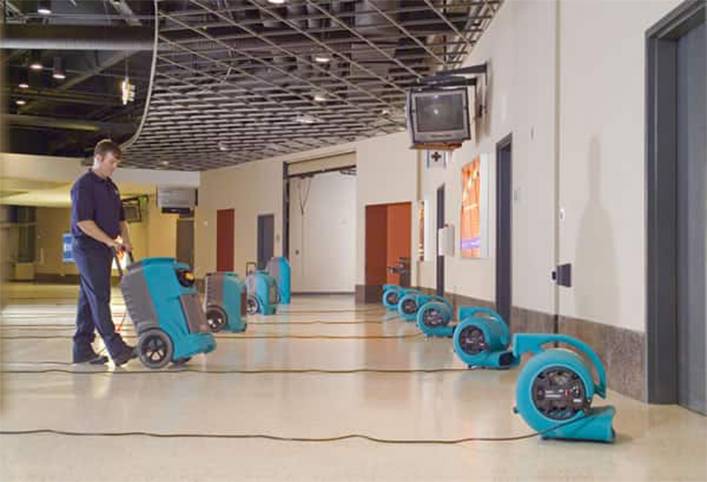
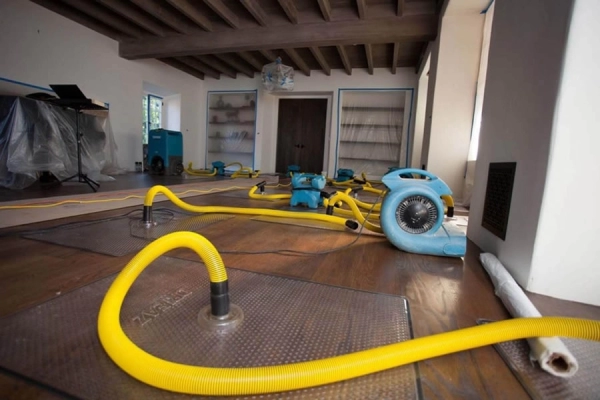
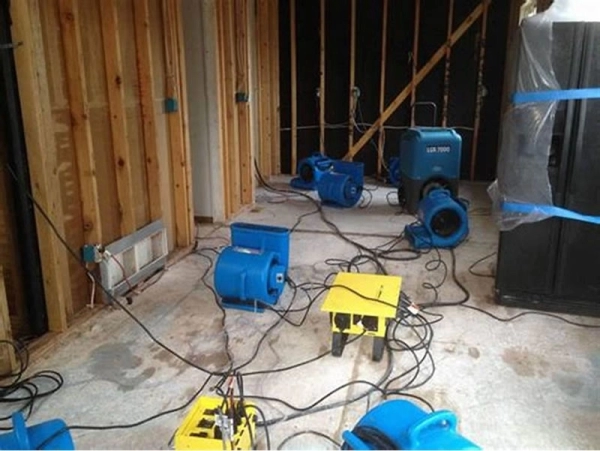
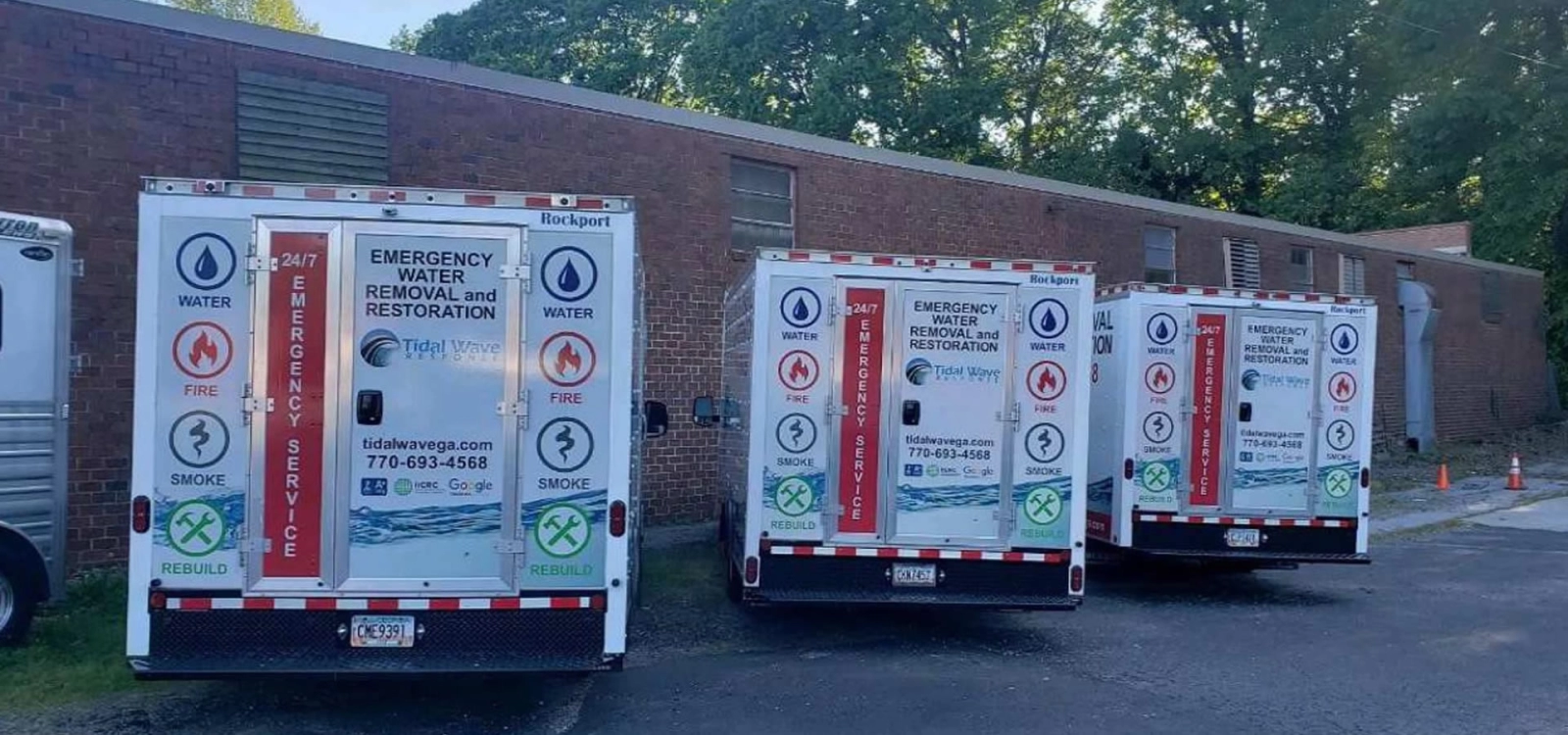
The equipment used in water damage restoration in Norcross, GA is built around moisture extraction and evaporation. A standard water damage project involves:

  • Truck-mounted or portable extraction units to pull standing water
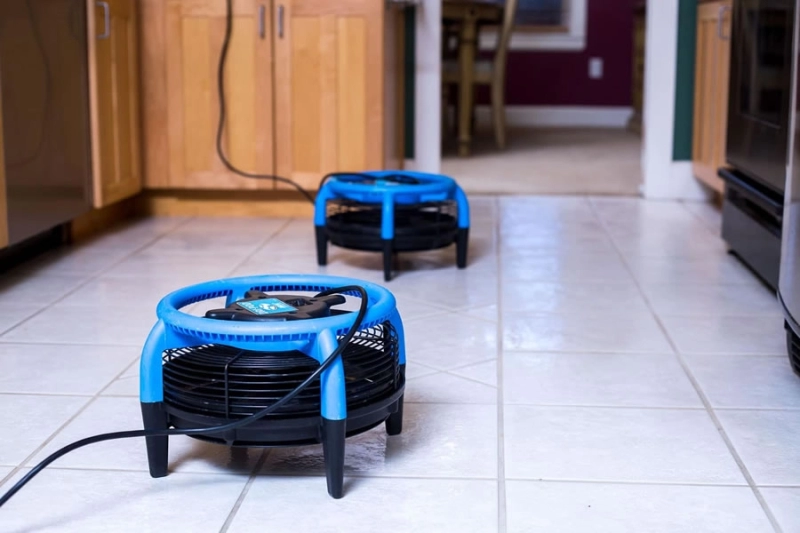
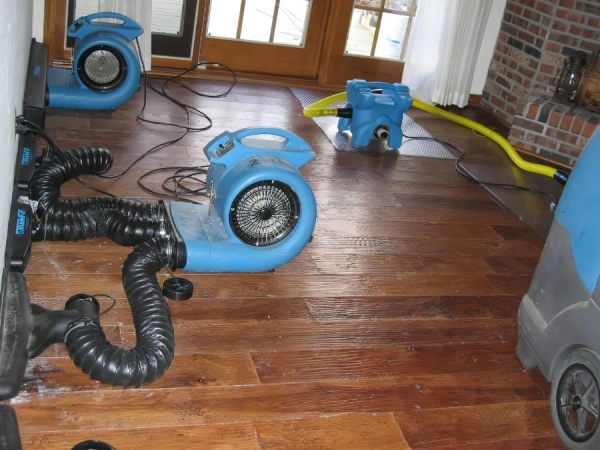
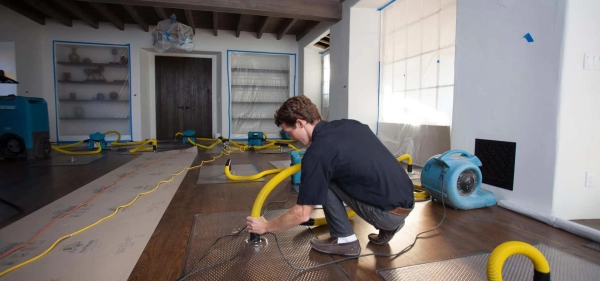
  • Industrial air movers to accelerate surface evaporation
  • Dehumidifiers to pull moisture vapor out of the air
  • Moisture meters and thermal imaging cameras to locate water that isn't visible to the eye

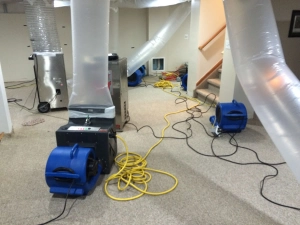
Mold remediation uses a different set of tools. HEPA air scrubbers run continuously to capture airborne spores during the removal process. Negative air pressure machines prevent cross-contamination by keeping spores from migrating to unaffected rooms. Technicians use personal protective equipment, physical containment barriers, and antimicrobial treatments on affected surfaces after physical removal is complete.

A company running dehumidifiers and air movers is performing water damage restoration. A company running HEPA filtration under negative air pressure is performing mold remediation. When both processes run on the same job, they run in sequence, not simultaneously, and each phase has to meet verified standards before the next begins.

Why Restoration Has to Happen Before Mold Work Begins

Attempting mold remediation in a structure that still holds active moisture is counterproductive. Removing mold colonies while the surrounding materials remain wet means new colonies can re-establish within days. The remediation doesn't hold because the underlying condition hasn't been resolved.

Water damage restoration must reach a confirmed dry standard before mold work begins. Technicians verify this with moisture readings. Walls can appear dry on the surface while retaining elevated moisture levels several inches deep. Water removal and structural drying have to reach acceptable thresholds across all affected materials before mold remediation can begin.

This sequencing affects project timelines. A combined job that involves both active water damage and existing mold growth typically takes longer than either service alone. Clients should expect drying to run three to five days in most residential scenarios before mold work can begin. Some materials, like thick hardwood subfloor or dense concrete block, can extend that drying window further. Rushing the drying phase to cut time leads to remediation failure and a second mobilization.

What Insurance Normally Covers for Each Type of Work

Most standard homeowners' policies cover sudden and accidental water damage. A burst pipe, an appliance failure, or an ice dam breach generally qualifies. The policy pays for water damage restoration, including water removal, drying, and structural repairs, when the cause meets those criteria.

Mold coverage is more complicated. Many policies limit or exclude mold remediation unless the mold resulted directly from a covered water event. If mold grew because of a slow leak that went unnoticed, insurance carriers frequently deny the claim on grounds of negligence or lack of maintenance. Documentation of prompt response to the water event matters when filing a claim.

When both services are required on the same loss, the claim needs to clearly connect the mold to the covered water event. A qualified restoration company should provide documentation that supports that connection, including moisture logs, drying records, and notes that establish the timeline. Without a paper trail, the mold portion of the claim is harder to substantiate and easier for adjusters to dispute.?

Do You Have Serious Water Damage?

If your property has active water damage, visible mold growth, or both, contact Tidal Wave Response for an inspection. Our team documents conditions, sequences work correctly, and supports the insurance process. When the job requires both services, you won't need two separate companies to get it done right.