Professional Water & Fire

Damage Restoration Services in Atlanta

15-25 Minute

Response Time

Why Water Damage Gets Worse Faster Than You Think

Recent Posts

Mold Removal vs Water Damage Restoration

Mold Removal vs Water Damage Restoration Mold removal and water…

image
May 14,2026
Health Risks of Untreated Water Damage

Health Risks of Untreated Water Damage Moisture that sits inside…

image
May 08,2026
Can You Stay in Your Home After Water Damage?

Can You Stay in Your Home After Water Damage? Water…

image
May 02,2026
Why Water Damage Gets Worse Faster Than You Think
May 22,2026

Why Water Damage Gets Worse Faster Than You Think

Water in your home does not wait for a more convenient time to cause problems. Within the first hour, it has already moved into walls, flooring, and any porous material it can reach. Most people underestimate how quickly the situation becomes a serious structural and health concern. Tidal Wave Response built our water damage restoration process around that reality, because the difference between a simple cleanup and a months-long repair usually comes down to how quickly the right response happens. This post lays out the timeline so you know what you’re working against.

The First 24 Hours

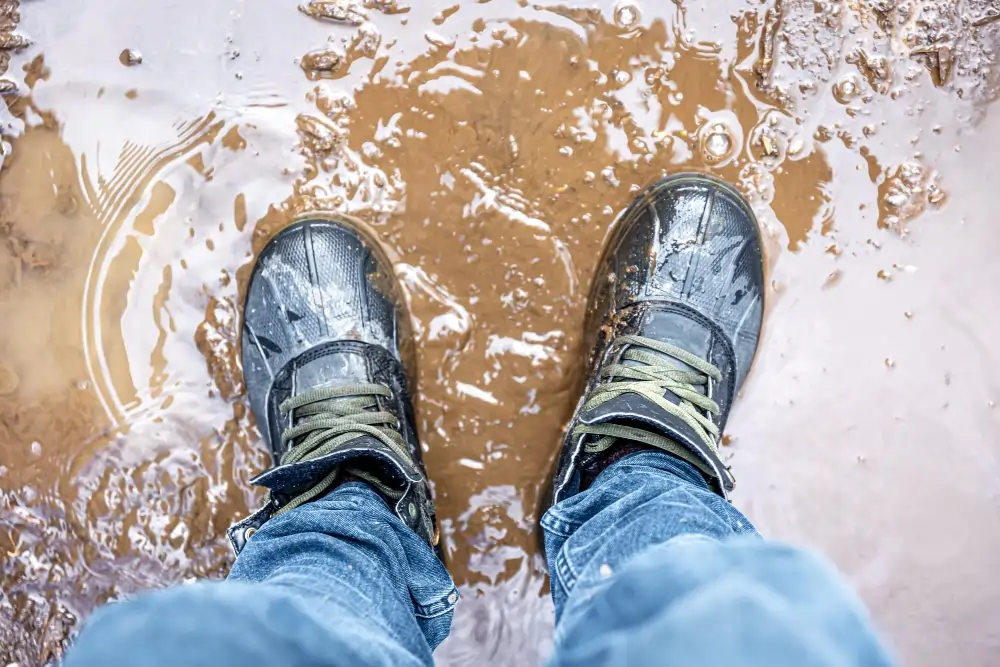
Water doesn’t pool politely in one place. It follows the path of least resistance. In a home, that means it moves laterally through subfloor layers, wicks upward through drywall, and saturates insulation. Wood framing begins absorbing moisture within minutes. By the time you've located the source and shut off the water, the damage has already spread.

The first few hours determine a lot. Hardwood floors begin cupping and buckling as moisture swells the wood fibers. Carpet padding holds water like a sponge, and the trapped moisture transfers into the subfloor beneath it. Drywall that has absorbed water, and once the facing separates, the panel crumbles. Electronics, furniture, and cabinetry absorb water through joints and finishes even when they're not sitting in standing water.

By hour 24, saturated drywall begins to lose structural integrity, paint bubbles, adhesives loosen, and metal components in contact with moisture begin to oxidize. Subfloor panels made from OSB or particleboard swell and delaminate quickly, and once they do, the floor assembly above them cannot be saved by drying alone.

How Moisture Creates the Conditions for Mold Growth

Mold doesn’t need much. It needs a surface, moisture, and somewhere between 24 and 48 hours. After an emergency, the interior of your walls and subfloor can reach humidity and temperature levels that mold spores need to colonize. That's what makes water damage dangerous from a health standpoint.

Mold spores are present in every home at low levels. Water damage activates it. Spores land on wet drywall, wet wood, or wet insulation and begin reproducing. This can trigger respiratory symptoms, and in households with children, elderly members, or someone with compromised immunity, the effects are more serious. Once mold colonizes inside a wall cavity, remediation requires containment, removal of affected materials, and treatment of the surrounding area.

Professional water damage restoration includes moisture mapping, which identifies exactly where water has traveled and what materials have crossed the threshold into mold-risk territory. Treating visible damage without checking hidden saturation leaves active mold in place. Relative humidity inside a structure needs to return to normal levels before affected spaces are closed back up.

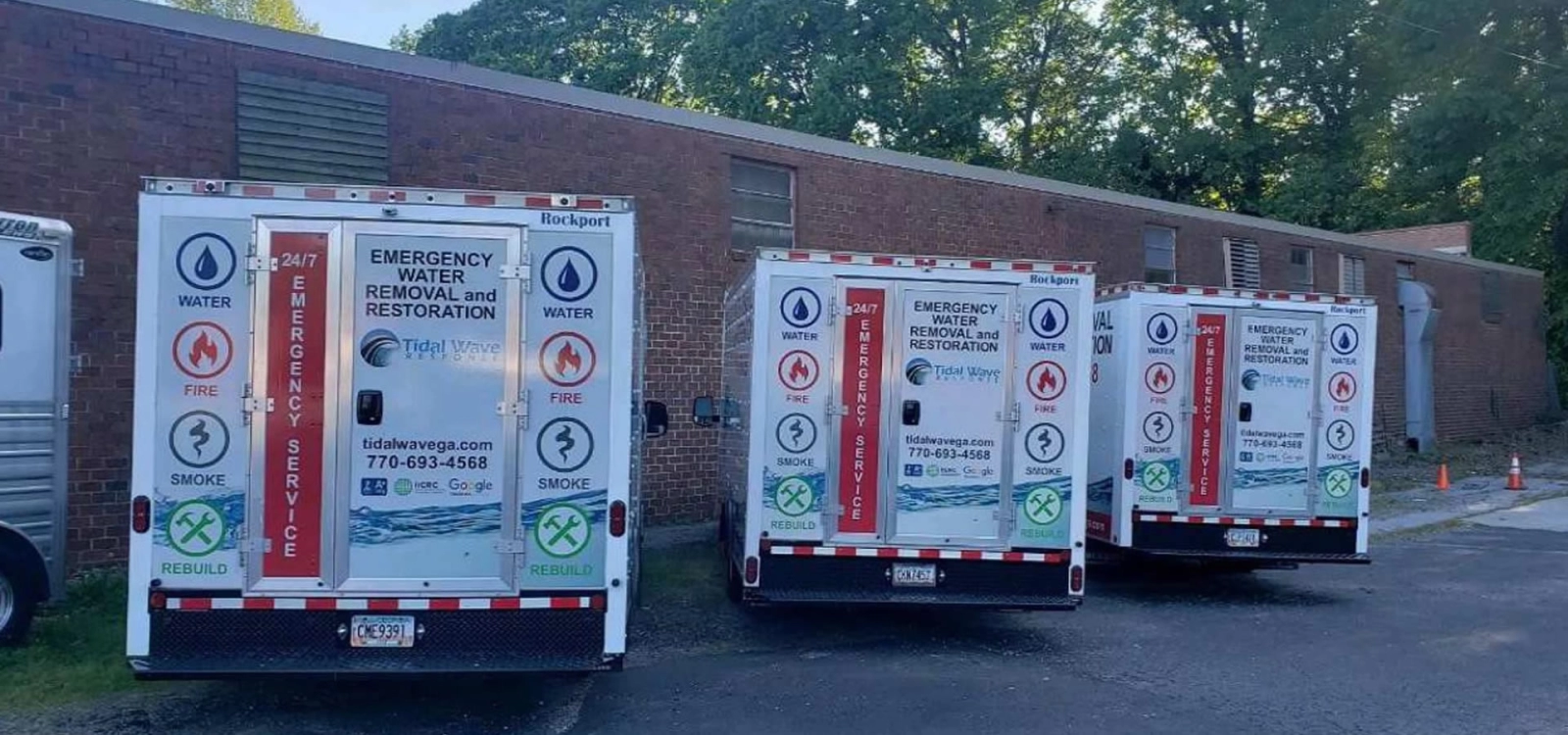
What Professional Water Removal Equipment Accomplishes

DIY drying methods extend the damage window. Every additional day moisture stays inside a wall or floor system is another day materials degrade, and mold risk climbs. Surface drying without structural drying creates the conditions for mold growth and continued material degradation behind finished surfaces. Industrial water removal equipment operates at a different level:

  • Truck-mounted extractors pull water from carpet and subfloor at volumes a shop vac cannot approach.
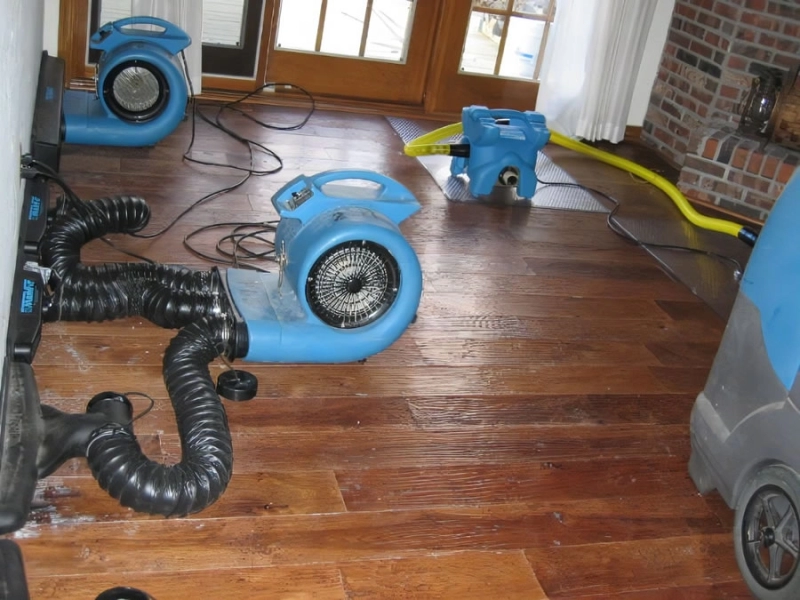
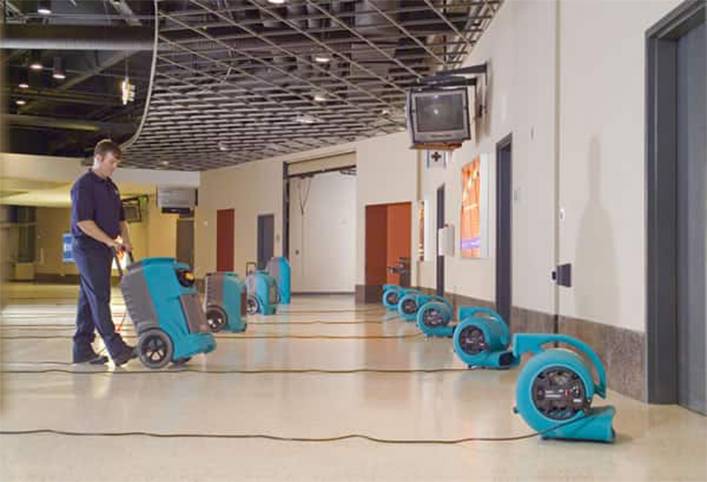
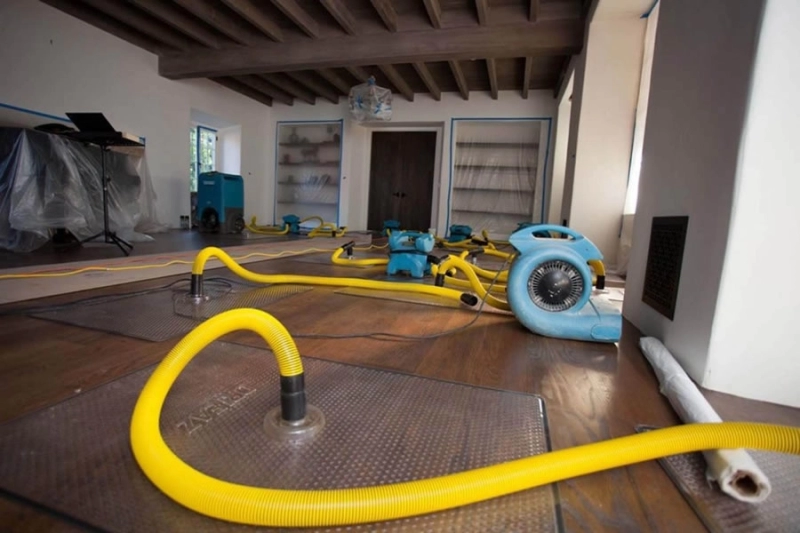
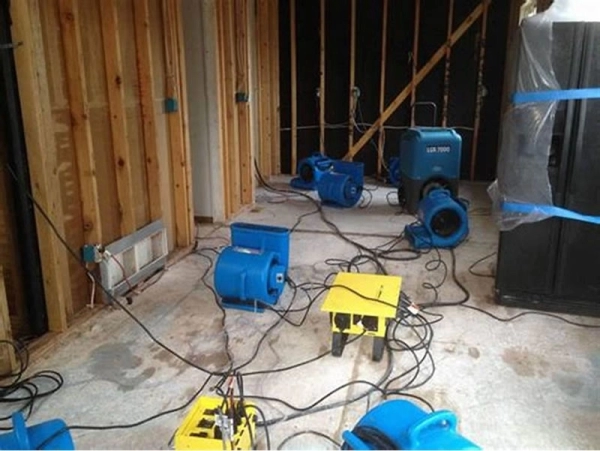
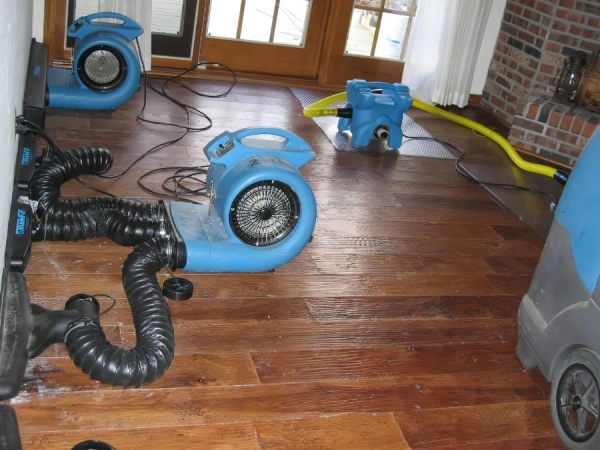
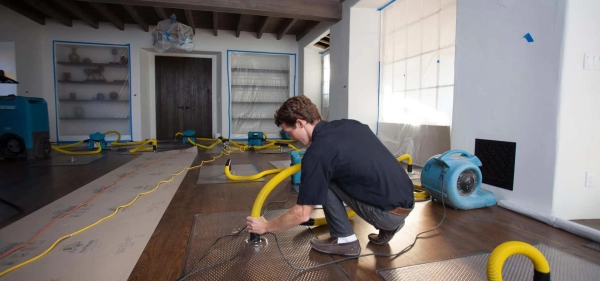
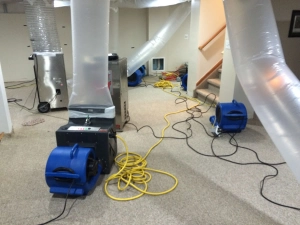
  • Structural drying equipment, including desiccant dehumidifiers and high-velocity air movers, targets moisture inside building assemblies, not just surface-level dampness.
  • Thermal imaging and moisture meters locate saturation behind walls without demolition.
  • Negative air pressure systems contain airborne contaminants during the drying process.

Technicians also monitor drying progress with daily readings and adjust equipment placement as moisture levels shift inside the structure. Water removal completed by trained technicians with calibrated equipment shortens that window, as well as the scope and cost of repairs.

How the Restoration Timeline Changes Based on Response Time

Response time is the single biggest variable in how water damage is resolved. A pipe burst that’s tackled within two hours looks completely different than the same crisis that’s left alone until the following morning.

The IICRC sets the standards for the water damage restoration in Smyrna, GA industry-wide. They classify water damage by how far moisture has penetrated and how many materials are affected. A Category 1 loss with fast water removal may dry in two to three days with minimal disruption to the home. The same loss with a 12-hour delay can escalate to a higher category classification, which requires demolition, mold remediation, and weeks of additional work. Materials that could have been dried and saved at hour two may require full replacement by hour 36.

Most insurance policies require prompt mitigation, meaning you are responsible for taking reasonable steps to limit further damage after a loss occurs. Delayed action can reduce your payout or give the insurer grounds to dispute the claim. Adjusters look at the timeline of your response when evaluating what the insurer owes, and documentation of immediate professional intervention strengthens your position. The outcome of waiting is higher out-of-pocket costs, longer displacement, and a more complicated restoration process.

Call Tidal Wave Response Before the Damage Spreads

Water damage compounds by the hour. What starts as a localized leak becomes a structural repair project when moisture sits inside building materials for two days. Tidal Wave Response provides 24/7 emergency water removal and water damage restoration. Our technicians arrive with industrial extraction and drying equipment, document moisture levels throughout your structure, and begin the drying process immediately. We work directly with insurance companies and handle the documentation your claim requires. If water has entered your home, call us now.