& Repair Services in Atlanta
Response Time
5.0 Ratings based on 638 reviews - Local Experts, Local Reviews
Why Standing Water Is a Ticking Clock for Your Home's Structure A flooded room may look much better once the puddles disappear, but water can remain trapped beneath flooring and inside walls long after the surface feels dry. Wood absorbs moisture and starts to swell, while drywall can soften and weaken if it stays wet for too long. If the water reaches the subfloor or framing, the damage may extend far beyond the original flooded area. Tidal Wave Response provides water damage restoration services in Marietta, GA to help homeowners remove standing water and dry out the affected areas. Here's…
Clean Water vs. Black Water: Understanding the 3 Categories of Water Damage A flooded room doesn’t always tell you how dangerous the water is. Water from a broken supply line is very different from sewage or runoff that’s entered the house, and those differences affect how the cleanup should be handled. At Tidal Wave Response, water damage restoration in Johns Creek, GA starts with identifying the source and determining which contamination category applies to the loss. Keep reading to learn how the three categories of water damage differ and why the classification matters during cleanup. What Category 1 Clean Water…
Extracting Water vs. Drying Out: Why Standing Water Removal Is Only Step One Getting the puddles off the floor makes a flooded room look much better, but moisture can still remain inside drywall, flooring, insulation, and framing. Tidal Wave Response provides water damage restoration services that focus on the visible water as well as the moisture left behind after extraction. Thorough drying reduces the risk of warped materials, lingering odors, and mold growth after a leak or flood. Continue reading to find out why water removal is only the beginning and what happens during the drying process. Standing Water Should…
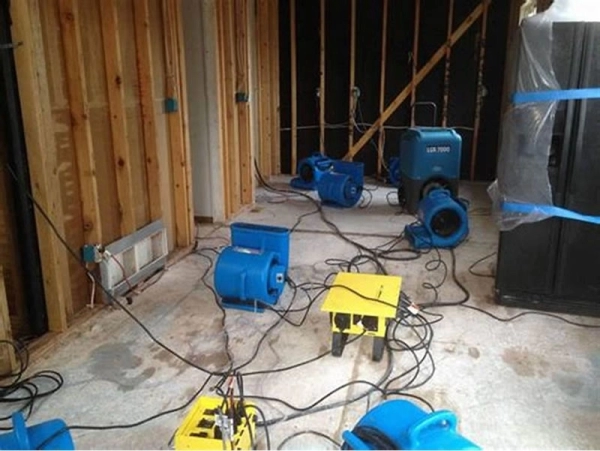
Structural Drying 101: Why Running Household Fans Won't Stop Deep Water Damage A floor can look dry and still have water underneath it. Moisture can also sit inside walls or behind baseboards where you won’t notice it right away. Household fans help dry the surface, but they don’t show where the water went or what is still wet. At Tidal Wave Response, our water damage restoration process includes professional water removal and structural drying for those harder-to-reach areas. Below, we’ll look at where water tends to collect, how drying equipment works, and why a fan won’t handle serious water damage.…
Standing Water vs. Hidden Moisture: Why Extraction Is Only Half the Job Removing the water you can see doesn’t mean the materials underneath are dry. Moisture can remain inside drywall, insulation, flooring, subfloors, and wall cavities after standing water has been extracted. At Tidal Wave Response, our water damage restoration process focuses on both visible water and moisture that may have spread into surrounding materials. Keep reading to learn why water removal is only the first stage of drying a property and what has to happen before affected areas can truly be considered dry. Standing Water Is Only the Most…
Read MoreWhy Every Minute Counts: The Anatomy of a 30-Minute Water Damage Response Water can spread through flooring, drywall, insulation, and belongings quickly, which means even a short delay can increase the amount of damage left behind. At Tidal Wave Response, we know that a 30-minute water damage response can make a major difference in how fast the source is controlled, standing water is removed, and vulnerable materials are protected. Keep reading to see what happens during the critical first minutes and why a rapid response is so important. Identify and Stop the Source of the Water Before crews can deal…
Read More