Damage Restoration Services in Atlanta
Response Time
Environmental Impact of Flooding Flooding is a natural hazard with…
Water Damage Levels and How to Handle the Cleanup Water…
All You Need to Know About Black Mold Damage Mold…
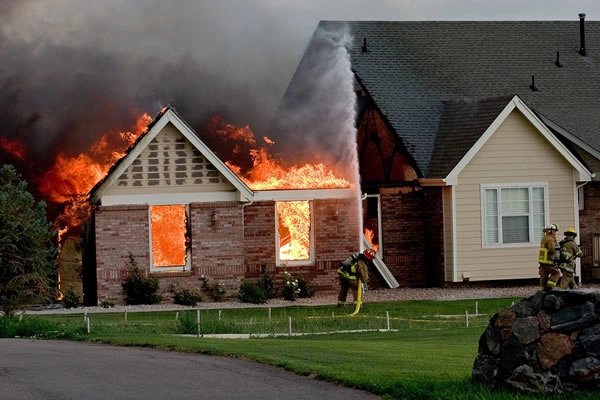
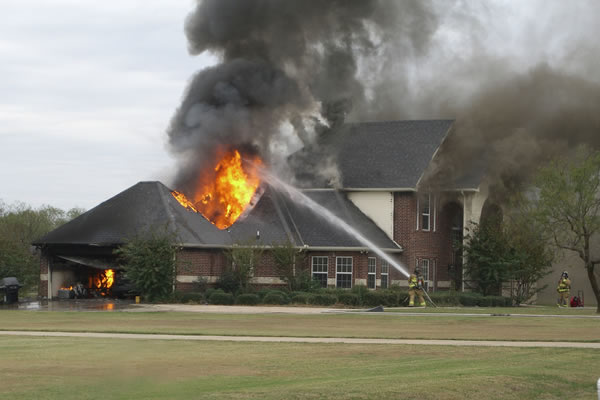
Once the fire is out and the smoke clears, most homeowners aren't sure what comes next or how quickly they need to act. The window between a fire being extinguished and restoration beginning is important, and waiting too long can turn a recoverable situation into a much more expensive one. Tidal Wave Response is here to help. Getting the timing right is one of the most critical parts of the entire restoration process. Keep reading to find out why speed matters and what should be happening in the hours and days after a fire.
A fire doesn't stop damaging a home the moment it's extinguished. In the first few hours after a fire, char and ash begin reacting with moisture in the air, which accelerates corrosion on metal surfaces, hardware, and appliances. Porous materials like drywall, insulation, and wood framing absorb soot and acidic particles almost immediately.
Structural materials that absorbed heat during the fire continue to contract and expand as they cool. This puts stress on load-bearing elements and can introduce new cracks in walls or foundations. A professional inspection within the first 24 hours documents the damage before it compounds.
Secondary damage starts to accumulate fast. Ash and soot are acidic. Within hours, it begins etching glass, discoloring grout, and corroding metal fixtures. Within days, the same surfaces can sustain permanent damage that requires full replacement instead of cleaning.
In a house fire, smoke penetrates wall cavities, ductwork, and insulation throughout the entire structure, including rooms that never saw flames. The particles settle on every surface they reach, and the longer they sit, the deeper they bond to materials.
Soot contains carbon, chemicals, and combustion byproducts that vary depending on what is burned. Synthetic materials like plastics and upholstery produce soot with a higher concentration of toxic compounds than natural materials. The difference matters for both health and restoration costs, because certain soot types require specialized cleaning methods.
Ventilation systems are a particular problem. An HVAC system that runs after a fire distributes smoke particles to every room it serves. Turning off the system immediately after a fire is one of the first steps professionals take before beginning fire damage restoration services. Without that step, cross-contamination spreads to areas that otherwise would've needed minimal work.

Firefighters use large volumes of water to suppress a fire, and it saturates floors, walls, ceilings, and structural cavities. A room that looks dry 12 hours after a fire can hold a lot of moisture inside the walls or under the subfloor.
Mold growth can begin in as little as 24 to 48 hours in saturated materials. Once mold establishes itself, remediation becomes a separate and more expensive process on top of the existing fire damage restoration services in Alpharetta. The two timelines run parallel, and the water damage clock starts the moment the hoses stop.
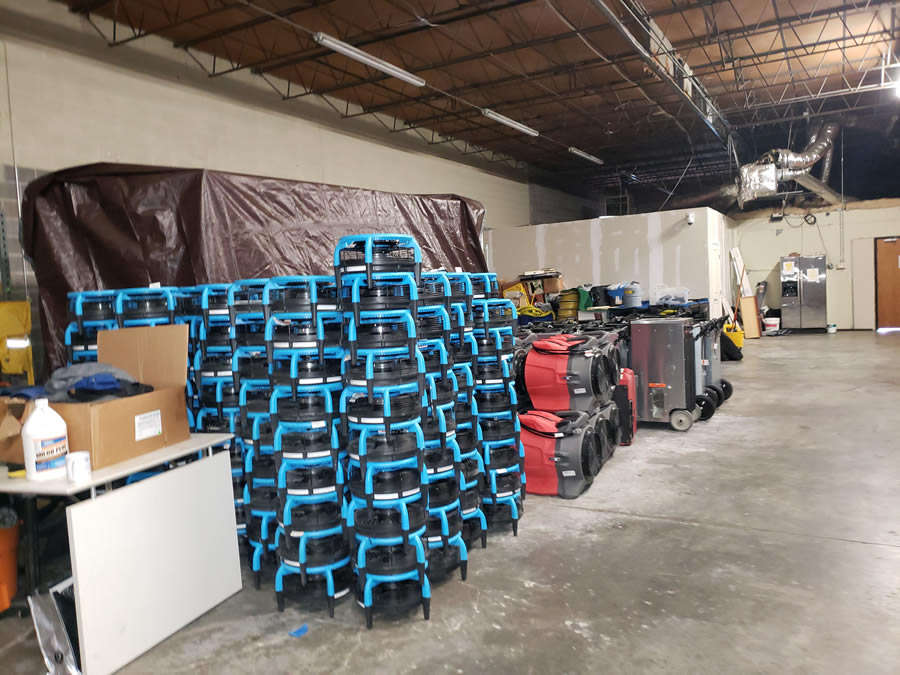
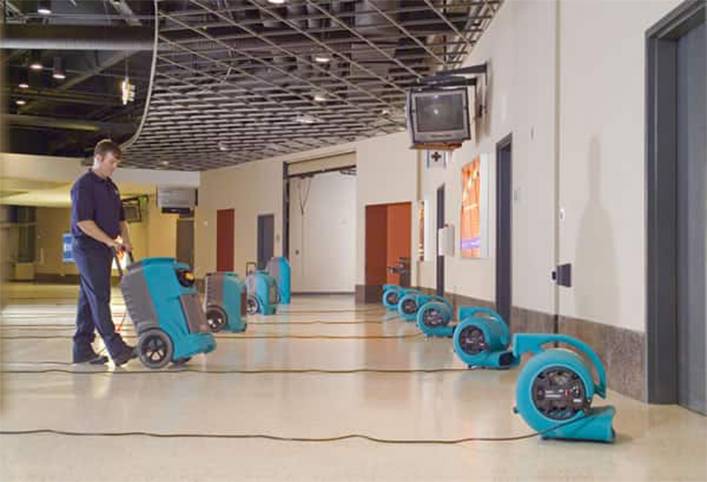
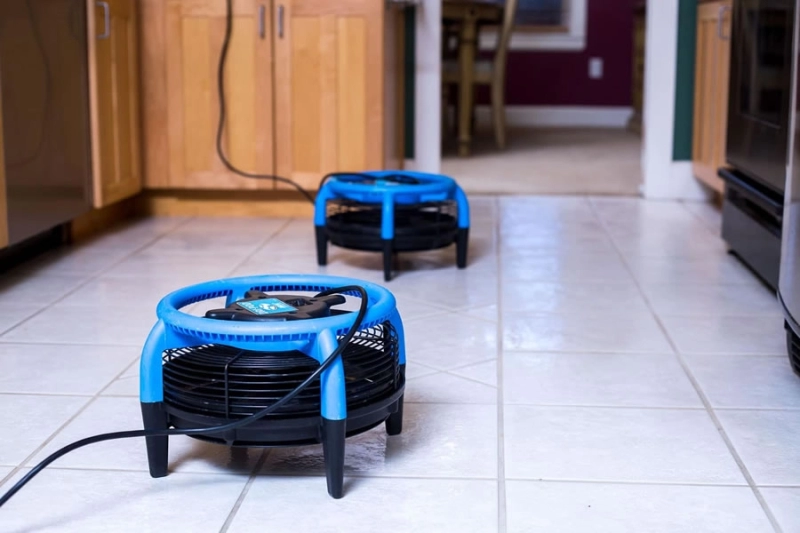
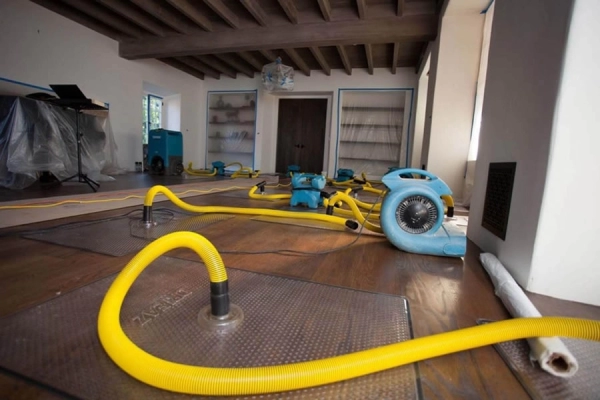
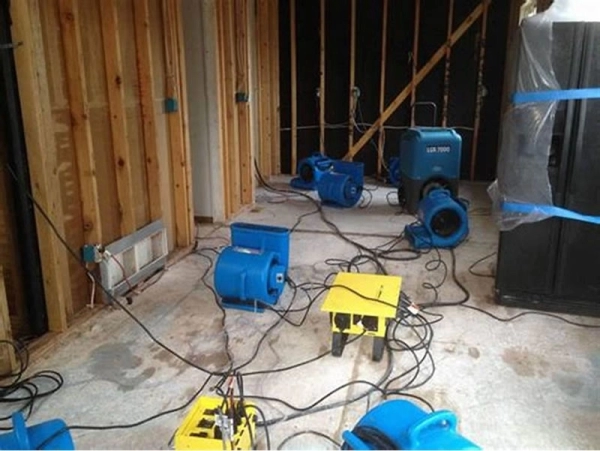
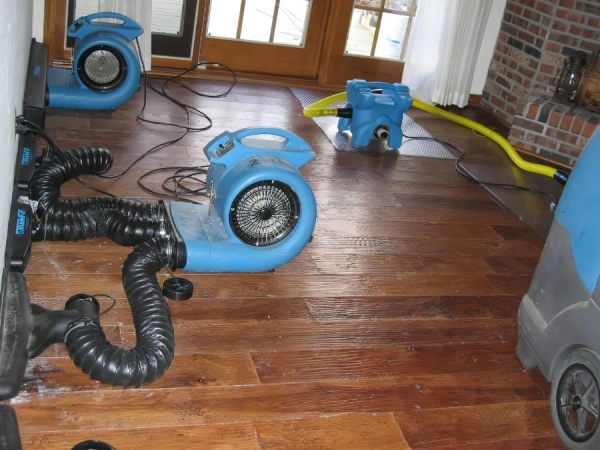
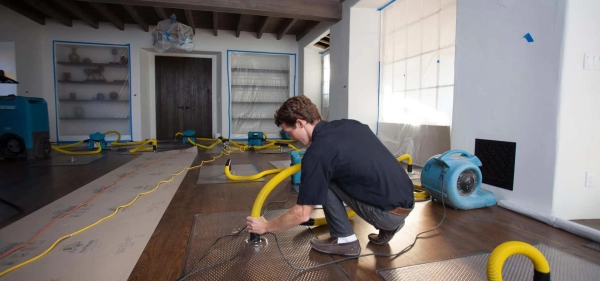
Drying a structure correctly requires industrial dehumidifiers, air movers, and moisture mapping equipment. Homeowners who run residential fans or open windows are moving air, not extracting moisture from materials. Professional drying targets specific moisture content levels in wood and drywall, and it requires monitoring over multiple days to confirm that those levels are reached before reconstruction begins.
Most homeowners' insurance policies include a duty-to-mitigate clause. This requires the policyholder to take reasonable steps to prevent additional damage after a loss. Waiting days or weeks to begin restoration can give an insurer grounds to dispute portions of a claim by arguing the additional damage resulted from inaction rather than the fire.
Documentation is another pressure point. Insurance adjusters need evidence of the damage as it existed immediately after the fire, before degradation progresses. Fire damage restoration services provided by a qualified company typically include detailed photo documentation, moisture readings, and written scopes of work that support a claim. Delayed action means some of that original damage evidence is lost.
Emergency services performed in the first 24 to 48 hours, like board-ups, tarping, and water extraction, are covered under most standard policies. Filing for those services quickly establishes the claim timeline and creates a paper trail from the beginning. The sooner the first steps are documented, the stronger the claim record becomes.
During a professional assessment, restoration technicians evaluate the structural integrity of floors, walls, and the roof before anyone enters the building. They identify which areas are safe to access and which require shoring or temporary support. The assessment documents every category of damage separately:
The documentation becomes the foundation for the restoration plan and the insurance claim. Technicians map moisture levels with meters and thermal imaging. This determines what gets dried, what gets removed, and what sequence the work follows, all of which affect the timeline and the final cost.
Restoration that begins within the first 24 hours produces better results across every category. There's less material loss, lower total costs, stronger insurance documentation, and reduced exposure to secondary damage from water and soot. If your home or business has experienced a fire, contact Tidal Wave Response to schedule an emergency assessment. We provide complete fire damage restoration services with rapid response. Our team is trained to handle every phase of recovery from initial assessment through final reconstruction.